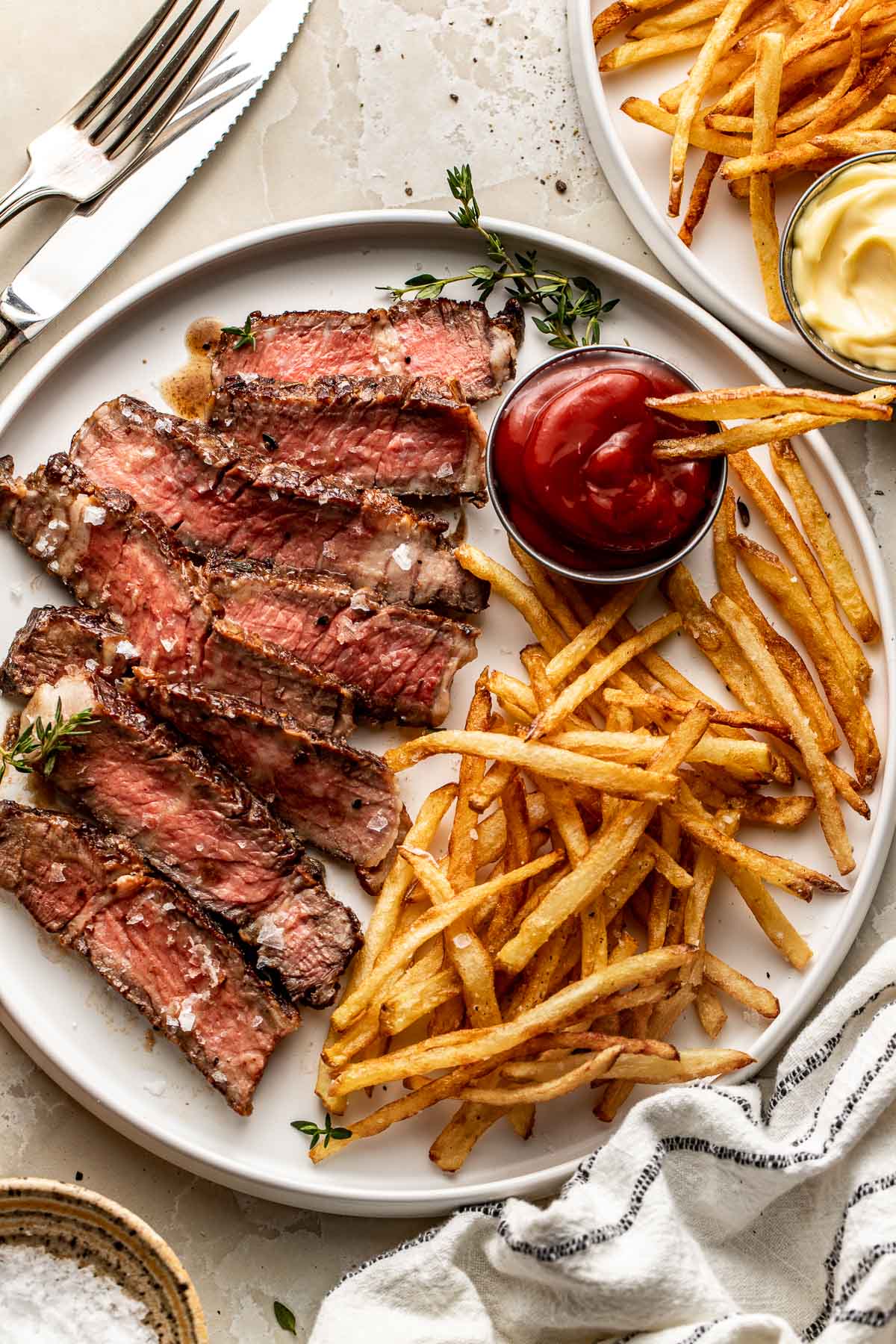
There's nothing quite like biting into a perfectly crispy, golden-brown french fry, its interior wonderfully fluffy and yielding. While fast-food versions have their place, the truly transcendent experience comes from homemade french fries. Forget sad, soggy imitations; the secret to achieving that coveted restaurant-quality crunch lies in a technique known as the double-fry method. This guide will walk you through every step, transforming simple potatoes into an unforgettable culinary delight.
The double-fry method isn't just a culinary quirk; it's a science-backed approach that guarantees superior texture. It involves frying your potatoes twice: first at a lower temperature to cook them thoroughly, and then again at a higher temperature to achieve that irresistible crispy exterior. This two-stage process ensures your fries are cooked all the way through without burning, while simultaneously developing a shatteringly crisp crust. Prepare to elevate your homemade french fries game to a whole new level!
The Secret to Crispy Perfection: Why Double-Frying Works
The magic of double-frying lies in how it manages the moisture and starch within the potato. During the initial fry, typically at a moderate temperature of 300-325°F (150-160°C), the potato strips cook slowly, gelatinizing their starches and softening their interiors without browning the outside. This stage is crucial for ensuring the fries are tender and fluffy inside. Crucially, it also allows some of the internal moisture to escape, preparing the potato for the final crisping.
After a vital cooling period, the second fry, conducted at a hotter temperature of 350-375°F (175-190°C), is where the exterior transforms. The remaining surface moisture rapidly evaporates, creating steam that puffs up the outer layer of the potato. The higher heat quickly crisps and browns this dehydrated surface, forming a deliciously crunchy crust while the inside remains tender. Without the first fry, the outside would burn before the inside cooked, resulting in raw-centered or unevenly cooked fries. The double-fry method ensures perfect texture from core to crust.
Getting Started: Essential Ingredients and Equipment
Embarking on your homemade french fries journey requires a few key items. Fortunately, most are likely already in your kitchen!
- Potatoes: For the best french fries, choose starchy varieties like Russet (Idaho) potatoes. Their high starch content and low moisture make them ideal for achieving that fluffy interior and crisp exterior. Plan on about one large potato per person if serving as a side dish.
- Oil: Select a neutral-flavored oil with a high smoke point. Good options include vegetable oil, canola oil, peanut oil, or even lard for a traditional flavor. You'll need enough to fill your pot about 2 inches deep.
- Salt: Fine-grained salt (like sea salt or kosher salt) is best for seasoning hot fries immediately after frying.
Essential Equipment:
- Large, Heavy Pot or Dutch Oven: For safe and even frying. Cast iron or heavy-bottomed stainless steel pots work well.
- Kitchen Thermometer: Absolutely critical! An oil or deep-fry thermometer allows you to accurately monitor and maintain oil temperature, which is the single most important factor for perfect fries. While not strictly "required," it's highly recommended.
- Slotted Spoon or Spider: For safely adding and removing fries from the hot oil.
- Plenty of Paper Towels: For draining excess oil.
- Cooling Rack and Baking Sheet: A cooling rack set over a baking sheet provides an excellent initial draining spot, allowing air circulation to prevent sogginess.
- Large Bowl: For soaking potatoes.
- Sharp Knife or Mandoline: For cutting uniform potato sticks.
- Clean Kitchen Towels: For drying potatoes.
Safety Tip: Always exercise extreme caution when working with hot oil. Never leave a pot of oil unattended, and keep a fire extinguisher (specifically rated for grease fires) or a pot lid nearby. Avoid filling the pot more than halfway to prevent boil-overs.
Prepping Your Potatoes for Optimal Crispness
Proper potato preparation is the cornerstone of crispy homemade french fries.
- Wash and Scrub: Begin by thoroughly washing and scrubbing your potatoes. Peeling is entirely optional and comes down to personal preference. Many enjoy the rustic touch and added flavor that skin-on fries provide.
- Cutting Techniques: Uniformity is key here. Inconsistent sizes lead to uneven cooking.
- Mandoline: If you have one, a mandoline makes quick work of creating perfectly uniform slices.
- Knife: If using a knife, first cut each potato in half lengthwise. Lay the cut side flat on your cutting surface for stability. Then, slice each half into 1/4 to 1/2-inch thick planks. Stack these planks and cut them into sticks of the same width. Aim for a consistent size to ensure all your fries cook at the same rate. Matchstick fries will cook faster and be crispier, while thicker cuts will have a more substantial, fluffy interior.
- The All-Important Soak: Once cut, immediately place the potato sticks in a large bowl and cover them generously with cool water. Let them soak for at least 20 minutes, or up to several hours (even overnight in the fridge). This step is crucial for rinsing away excess surface starch. Removing this starch prevents the fries from sticking together during frying and is a critical factor in achieving that desirable fluffy interior and superior crispiness. For a deeper dive into this vital step, check out Unlock Crispy Fries: Soaking & Double Frying for Homemade Perfection.
- Drying is Non-Negotiable: This step cannot be emphasized enough. Before frying, the potato sticks must be bone-dry. Drain the soaked potatoes thoroughly, then spread them in a single layer on clean paper towels or a clean kitchen towel. Pat them vigorously with more towels until absolutely no moisture remains. You can even let them air-dry for another 10-15 minutes. Any residual water will cause the hot oil to splatter dangerously and will result in soggy, rather than crispy, fries.
Mastering the Double-Fry Process
With your potatoes prepped and ready, it's time for the main event: the frying!
First Fry: The Blanching Stage (Cooking Through)
This initial fry cooks the potatoes through and begins to set their internal structure.
- Heat the Oil: Fill your heavy pot with at least 2 inches of oil. Heat the oil slowly over medium heat until your thermometer registers 300-325°F (150-160°C). Maintaining this temperature is key.
- First Fry the Potatoes: Carefully add a batch of dried potato sticks to the hot oil. Do not overcrowd the pot! Overcrowding will drastically drop the oil temperature, leading to greasy, soggy fries. Work in batches, allowing enough space for the fries to move freely.
- Cook Until Soft: Fry the potatoes for about 5-7 minutes. During this stage, they should become cooked through and slightly pliable, but remain very pale, almost the same color as when they went in. There should be no browning yet.
- Drain and Cool: Using your slotted spoon or spider, carefully lift the half-done fries from the oil. Transfer them to a cooling rack set over a baking sheet or to layers of clean paper towels. Let them drain and cool completely. This cooling period is vital – allow at least 30 minutes, or even several hours. You can even store these pre-fried potatoes in the refrigerator overnight and finish them the next day; just let them come to room temperature for about 30 minutes before the second fry.
Second Fry: The Browning & Crisping Stage
This is where the magic happens, turning soft potato sticks into gloriously golden, crispy french fries.
- Reheat the Oil: Bring the oil temperature up to a hotter range, between 350-375°F (175-190°C). Use your thermometer for accuracy. If you don't have one, you can test the oil by dropping in a single fry; it should immediately sizzle actively and steadily, but not violently.
- Second Fry for Crispness: Carefully add a batch of the cooled, blanched fries back into the hot oil. Again, do not overcrowd the pot.
- Fry to Golden Perfection: Fry for another 2-5 minutes, depending on your desired crispiness and the thickness of your fries. The fries will rapidly turn a beautiful golden brown and become wonderfully crisp. Keep an eye on them as they can go from perfect to burnt quickly at this stage.
- Drain and Season Immediately: Once golden and crisp, lift the fries from the oil and transfer them immediately to your cooling rack (lined with paper towels if preferred). As soon as they are out of the oil, generously season them with fine salt. The residual heat and oil will help the salt adhere. For more detailed insights on achieving this final, perfect crisp, refer to Homemade French Fries: Essential Steps for Golden, Crispy Perfection.
Common Pitfalls and Pro Tips for Perfect French Fries
Even with the right method, a few common issues can derail your crispy dreams. Here’s how to avoid them and some extra tips:
- Soggy Fries: This is often due to insufficient drying of the potatoes, overcrowding the fryer (which drops oil temperature), or not letting the first-fried potatoes cool completely. Always dry thoroughly, fry in small batches, and give those blanched fries time to rest.
- Uneven Cooking: Usually a result of unevenly cut potatoes. Take your time to cut uniform sticks.
- Burnt Outside, Raw Inside: Oil temperature too high for the first fry, or not soaking potatoes long enough. The first fry should be gentle.
- Serving Suggestions: Homemade french fries are the quintessential accompaniment to hamburgers, grilled steak, or steamed mussels. They're also fantastic with fish and chips or simply on their own with your favorite dipping sauces like ketchup, aioli, or a spicy mayo.
- Oil Management: After frying, let the oil cool completely. You can strain it through a fine-mesh sieve or cheesecloth to remove any food particles, then store it in an airtight container in a cool, dark place for reuse. Most cooking oils can be reused several times, depending on what you fried in them.
Making truly exceptional homemade french fries using the double-fry method is a rewarding experience that pays dividends in flavor and texture. It might seem like a bit more effort than a single fry, but the results—fluffy interiors encased in a shattering, golden crust—are undeniably worth it. With the right preparation, equipment, and attention to oil temperature, you'll be creating batches of perfectly crispy french fries that will impress everyone at your table. So, grab your potatoes, fire up the fryer, and get ready to enjoy the ultimate comfort food experience!
